 Loss of habitat, or habitat fragmentation is the most prominent threat to the conservation of the arboreal alligator lizard. Statitics show that over the last fifteen years Central America has lost over 20% of its forest cover and though South America is still has the highest biodiversity rate in the world, it is the leader in rainforest loss due to deforestation. Deforestation has multiple driving factors the main being cattle farming, agriculture, and logging. The meatification of our diets
  (especially the American diet) and our ever growing population has put an increased pressure on our land to produce and sustain livestock for our consumption. They are clearing forests to turn them into pasture lands. The logging industry benefits from this as well. The need for things like paper and wood for furniture and houses among other wood products is driving the logging of tropical forests. The increased need
 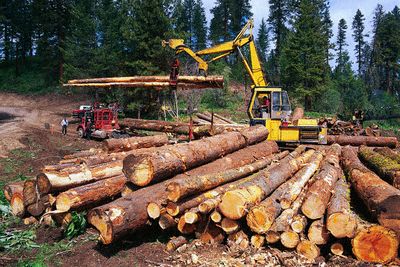 and consumption of soy products is also a major factor in the deforestation of South America. There have recently been some efforts made to reverse some of these negative effects, but much of the damage is already done and it is thought that many of the alligator lizard species will become extinct in the next 10 years or so due to increasing loss of habitat.
Other than habitat fragmentation, arboreal alligator lizards are rarely seen in the wild as they are either killed on site or collected for illegal international pet trade. The locals call them "escorpion del arbol" which is spanish for tree scorpion. These lizards are known to bite and aggresively protect themselves and this has lead people to the misconception that they are venomous. Another


No comments:
Post a Comment